- 235 million brace for weekend winter weather; Travel disruptions inevitable
- More than 8000 flights canceled; Air India cancels New York, Newark flights
DALLAS/ NEW YORK (TIP): Freezing rain fell in parts of Texas on Friday , January 23, as a huge, days long winter storm began a trek that threatened to bring snow, sleet, ice, bone-chilling temperatures and extensive power outages to about half the US population. Forecasters warned that catastrophic damage, especially in areas pounded by ice, could rival that of a hurricane.
Schools in Chicago and other Midwestern cities called off classes, airlines cancelled thousands of weekend flights, churches moved Sunday services online and the Grand Ole Opry in Nashville, Tennessee, decided to hold its Saturday night radio performance without fans. Carnival parades in Louisiana were cancelled or rescheduled.
At least 182 million people were under watches or warnings for ice and snow, and more than 210 million were under cold weather advisories or warnings. In many places those overlapped.
Utility companies braced for power outages because ice-coated trees and power lines can keep falling long after a storm has passed.
“It’s going to be a big storm,” Maricela Resendiz said as she picked up chicken, eggs and pizzas at a Dallas store to get her, her 5-year-old son and her boyfriend through the weekend. Her plans: “Staying in, just being out of the way.”
Freezing rain slickened roads in Lubbock, Texas, in the afternoon as temperatures dropped.
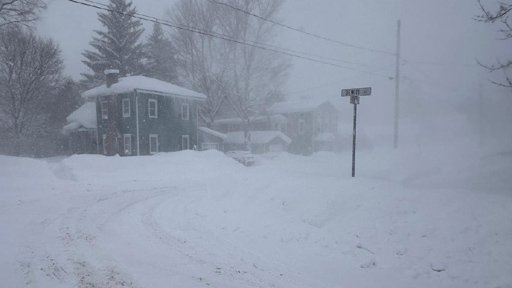
After sliding into the South, the storm was expected to move into the Northeast, dumping about a foot (30 centimeters) of snow from Washington through New York and Boston, the National Weather Service predicted.
Arctic air was the first piece to fall in place
Frigid air that spilled down from Canada prompted the cancellations of classes at schools throughout the Midwest. Wind chills as low as minus 40°F (minus 40 Celsius) meant that frostbite could set in within 10 minutes, making it too dangerous to walk to school or wait for the bus.
Despite the bitter cold, a protest over an immigration crackdown went on as planned in Minnesota, with thousands demonstrating in downtown Minneapolis.
Nationwide, more than 1,000 flights were delayed or cancelled Friday, with well over half of them in Dallas, according to the flight tracking website FlightAware. About 2,300 were called off for Saturday.
In Oklahoma, Department of Transportation workers treated roads with salt brine, the Highway Patrol cancelled troopers’ days off and National Guard units were activated to help stranded drivers.
The federal government put nearly 30 search and rescue teams on standby. Officials had more than 7 million meals, 600,000 blankets and 300 generators placed throughout the area the storm was expected to cross, according to the Federal Emergency Management Agency.
President Donald Trump said via social media that his administration was coordinating with state and local officials and “FEMA is fully prepared to respond.” Ice could take down power lines and pipes could freeze After the storm passes, it will take a while to thaw out. Ice can add hundreds of pounds to power lines and branches and make them more susceptible to snapping, especially if it’s windy. In at least 11 Southern states from Texas to Virginia, a majority of homes are heated by electricity, according to the US Census Bureau.
A severe cold snap five years ago took down much of the power grid in Texas, leaving millions without power for days and resulting in hundreds of deaths. Gov Greg Abbott vowed that it will not happen again, and utility companies were bringing in thousands of employees to help keep the lights on.
Northeast braces for possibly heaviest snow in years
Boston declared a cold emergency through the weekend, and Connecticut was working with neighboring New York and Massachusetts in case travel restrictions are needed on major highways.
Connecticut Gov Ned Lamont urged people to go grocery shopping now and “stay home on Sunday.”
Philadelphia announced schools would be closed Monday. Superintendent Tony B Watlington Sr told students, “It’s also appropriate to have one or two very safe snowball fights.”
(Agencies)
Source link