Published on
March 24, 2026

Image generated with Ai
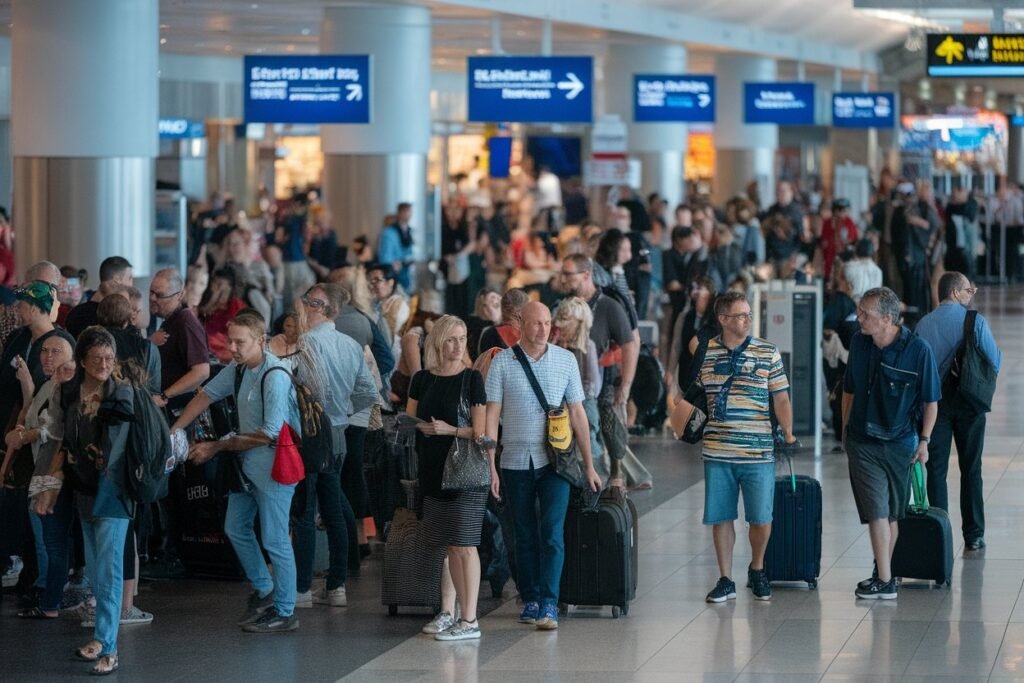
Air travel in the United States has become more stressful than ever for passengers in 2026, as long security lines, systemic disruptions and ongoing delays push travel anxiety far beyond traditional fear of flying. From crowded checkpoints at major hubs to unexpected flight delays and repeated setbacks, travelers across the country are discovering that the journey to the airport is often just as nerve‑racking as the flight itself. The sprawling list of frustrations, from staffing shortfalls at security checkpoints to weather‑related cancellations, has turned airline travel into a major stress trigger for many Americans.
This heightened anxiety affects seasoned travellers and occasional flyers alike, with many rethinking their travel plans due to unpredictable wait times and frequent flight disruptions. The compounded impact of government funding standoffs, winter storms and mechanical issues have shaped a climate where even routine travel has become a test of patience and resilience for passengers nationwide.
From Long Lines to System Chaos: What’s Behind the Travel Stress Surge
Air travel stress is no longer limited to “aviophobia” — the fear of flying — but also includes anxiety caused by external travel system disruptions. Modern air travel involves multiple steps: arriving at the airport, clearing security, boarding, luggage handling, travel delays, and final arrival. When these systems become unreliable, passengers’ emotional endurance is tested at every stage of the journey.
A combination of recent events has intensified travel challenges across the U.S.: severe winter storms, ongoing geopolitical conflict in the Middle East affecting overall flight patterns, federal budget disputes impacting security staffing, and unexpected collisions on runways have all played a role in rising travel frustrations.
A partial federal government budget impasse led to staffing turmoil at the Transportation Security Administration (TSA), creating long security lines at numerous airports and forcing agencies to adapt quickly. Due to underfunded staffing, passenger screening checkpoints have seen extended wait times that run into multiple hours at certain major airports.
At airports like Louis Armstrong International (MSY) and Reagan Washington National (DCA), passengers such as John Hoffman and JD Foster reported major setbacks — from missing flights after waiting hours to clear security, to losing deposits on important appointments due to repetitive flight delays.
Advertisement
Advertisement
Travel Professionals Respond: Temporary Problems or Long‑Term Change?
Industry leaders stress that these disruptions are temporary. Chris Sununu, president and CEO of Airlines for America, has urged travelers to remain confident in the future of air travel, noting that solutions — both short‑ and long‑term — are being developed to address security bottlenecks and operational disruptions.
Despite ongoing challenges, travel remains a cornerstone of American life — from business trips and family vacations to critical medical travel and cross‑country migration. However, the emotional impact of repeated delays and procedural headaches is prompting both passengers and industry professionals to rethink how air travel systems adapt to modern expectations.
Mental Health Experts Weigh In: Beyond Fear of Flying
Mental health specialists highlight a key shift in travel anxiety: while fear of flying is traditionally linked to the flight itself, many people are now stressed by the entire travel experience, which includes airport interactions, waiting areas, security procedures and unexpected delays — even when they are not afraid of the flight itself.
Dr. Michael Ziffra, a psychiatrist, explains that many passengers enter airports with a sense of unease precisely because they know delays and disruptions may occur, regardless of weather or the actual flight. He recommends that travelers adopt a mindset of acceptance and equip themselves with coping strategies, such as carrying music, snacks and adequate entertainment — all ways to regain a sense of control amid unpredictable travel sequences.
Other experts suggest deep breathing exercises and mindfulness techniques to help passengers stay grounded during stressful travel moments, noting that focusing on controllable elements — like personal preparation — can reduce the emotional toll of long waits and flight uncertainty.
Why Travel Stress Matters: Broader Impacts on Passenger Experience
Travel anxiety is more than an emotional reaction — it can affect physical well‑being and passenger behavior. Up to 40% of travelers in industrialized countries experience some degree of flight or travel‑related anxiety, a condition that can cause physical symptoms such as sweating, dizziness, increased heart rate, and panic responses.
Travel specialists often advise passengers to ground themselves with simple physical techniques such as pressing their feet into the floor or focusing on slow breathing to counteract stress responses. Other recommended methods include staying hydrated, engaging in positive self‑talk, avoiding excessive caffeine or alcohol, and maintaining clear communication with airline staff to stay informed about changes.
Government Travel Resources and Passenger Preparations
The U.S. Department of Transportation provides travel advisory resources for passengers on its official website, including real‑time airport status reports, security guidance and passenger rights in the event of flight delays or cancellations. Utilizing these resources can help passengers anticipate potential delays and navigate the airport more confidently. (Referenced: travel.transportation.gov)
The TSA also maintains a “Travel Tips by Airport” page, which displays typical wait times and security checkpoint updates, helping travelers plan their arrival times more accurately. (Referenced: tsa.gov)
Looking Ahead: A Future of Smoother Air Travel?
While 2026 has brought significant frustrations for air travelers, industry leaders remain optimistic. With improvements in staffing, smarter funding of critical security operations, and emerging technologies aimed at streamlining travel checkpoints, many changes are underway to help reduce travel anxiety in the long run.
Passengers are encouraged to plan ahead, verify flight status before departure, and arrive with ample time to navigate airport procedures. For many, adopting a prepared and flexible mindset will be key to transforming the journey from stress‑laden to manageable.
Final Take: Staying Calm Above the Clouds
Air travel will likely always be accompanied by some degree of anxiety — whether it’s due to fear of flying or systemic travel disruptions. However, a combination of personal preparation, mental readiness, and industry improvements can help passengers navigate uncertainty while preserving the joy and freedom of travel.
As flight technology and travel infrastructure evolve, the sky remains a gateway to connection and adventure — even if the path through the airport sometimes feels overwhelming.

Source link