Hormuz, Crosetto: peace mission even without UN resolution
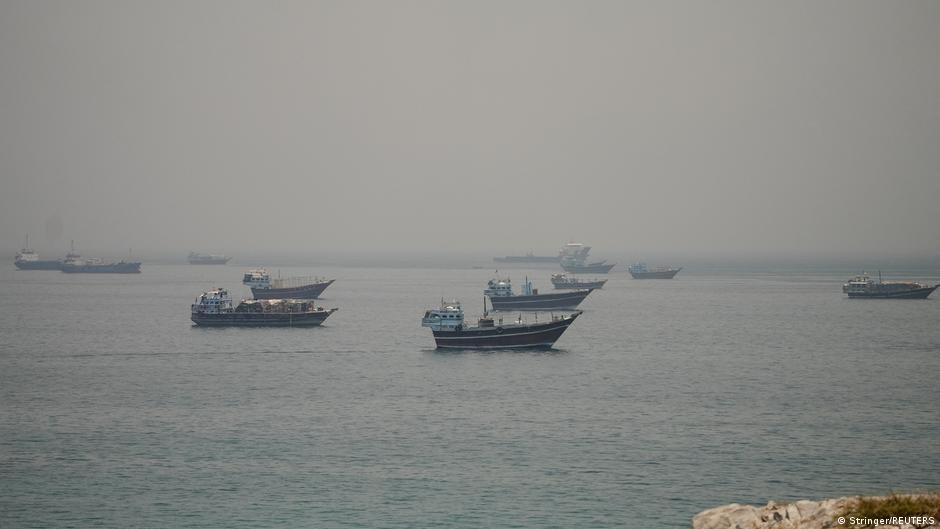
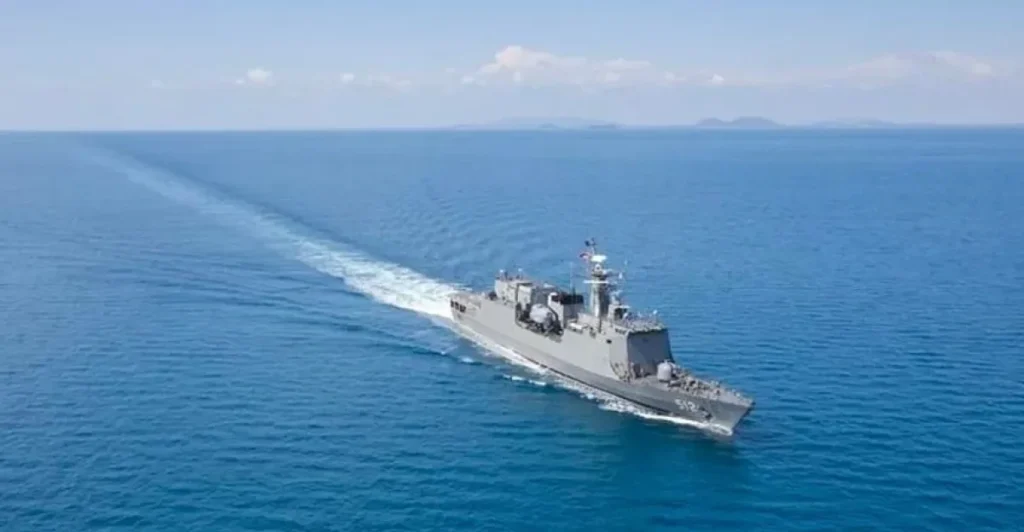
Defence Minister Guido Crosetto today expressed his preference for a peacekeeping mission to protect free navigation in the Strait of Hormuz even if a UN Security Council resolution is blocked by the veto of some countries. In a statement, the minister said that he wanted ‘a UN resolution for a peacekeeping mission to guarantee free navigation in Hormuz’, claiming that ‘the vast majority of the world’s nations want it’ and that ‘the UN itself would be delighted to build it’.
Media: ‘Vance and Ghalibaf confirmed to Pakistani mediators’
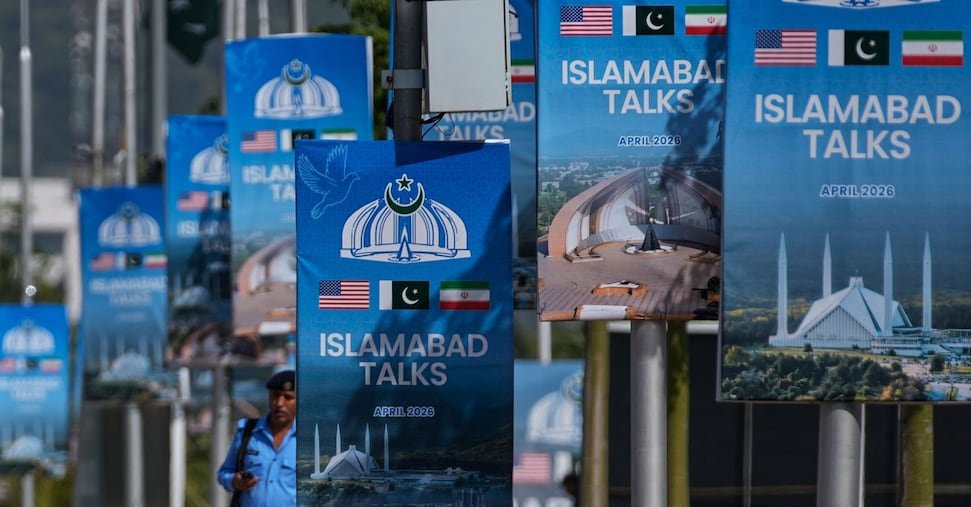
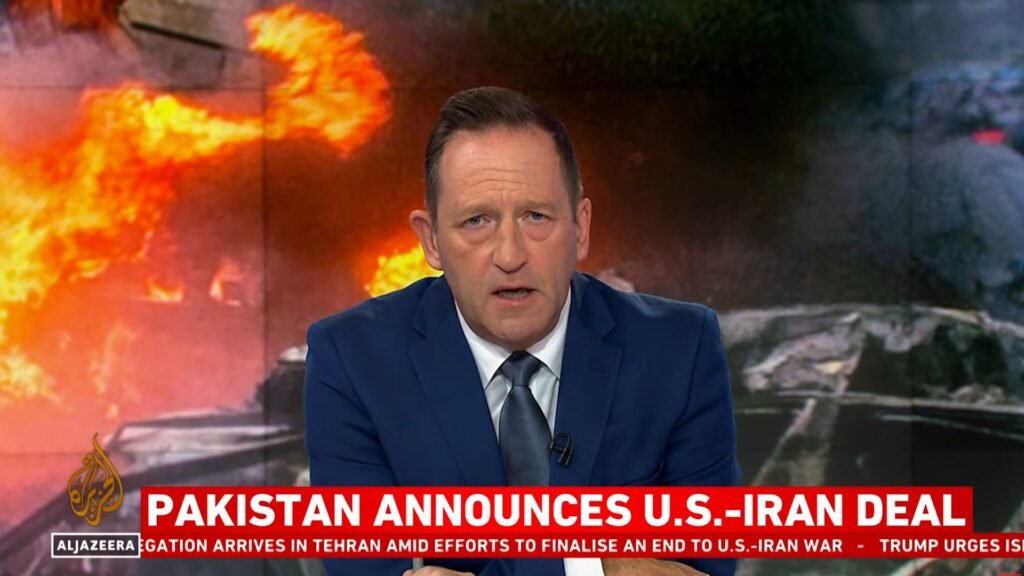
The Pakistan-led mediators have received confirmation that the main negotiators, US Vice-President J.D. Vance and Iranian Parliament Speaker Mohammad Bagher Ghalibaf, will arrive in Islamabad in the early hours of Wednesday (when in Italia it may still be Tuesday, ed.) to lead their respective teams in the talks: this is what the Ap writes on its website citing two officials from the region. Neither the US nor Iran has publicly confirmed the date of the talks, and Iranian state television has denied the presence of any officials in the Pakistani capital.
US alert in Baghdad, the Iraqi game and the militia galaxy
They were born in the Iraqi chaos more than twenty years ago. They returned to ‘prominence’ in the escalation in the Middle East, when during American and Israeli military operations against Iran they set off explosive-filled drones ‘directed’ against Saudi Arabia and other Gulf countries. It is the Iraqi militias that have in fact allowed Iran to have more ‘options’ to ‘respond’, as they say in Tehran. And as uncertainty continues to reign over the second round of talks in Islamabad between the United States and Iran, amidst a fragile truce, the US embassy in Baghdad has issued a new alert about the risk of attacks. In the Iraqi capital, which is in at least a difficult position between the US and the Islamic Republic, the repercussions of November’s parliamentary elections are still fresh and the 26 April deadline to define the country’s future is approaching.
Here on Saturday was – “surprisingly”, according to sources on the Iraqi website Shafaq News – the commander of the Quds Force of the Guardians of the Revolution, Esmail Qaani, for talks “with leaders of Iraqi political and armed factions”. The Quds Force, the Israeli media continue to point out, is the number one supporter of the Shia militias. “Iraqi terrorist militias allied with Iran continue to plan attacks against US citizens and US-linked targets throughout Iraq, including the region of Iraqi Kurdistan,” is the content of the warning posted yesterday on the website of the US embassy in Baghdad, urging American citizens to “not attempt to reach” the headquarters and consulate general in Erbil “due to significant security risks.” According to the warning, “certain elements associated with the Iraqi government continue to actively provide political, financial, and operational cover to these terrorist militias” linked to Tehran.
Today, according to figures quoted by the Wall Street Journal, there are dozens of militias with about 250,000 ‘members’, billions of dollars’ worth of funds, and an arsenal with no shortage of long-range missiles. The most powerful are Kataib Hezbollah and Asaib Ahl al-Haq and, the newspaper writes, they boast ‘considerable’ influence over the governments of Iraq and Iran. The media in the region describe Kataib Hezbollah as the most powerful armed faction, historically linked to the Quds Force, against which there is no shortage of accusations of attacks against American forces and with the aim of destabilising Iraq.
Kataib Hezbollah is part of the Popular Mobilisation Forces (Al Hashid Al Shaabi), which were created in the midst of the Isis advance in Iraq and have been crucial in the battle against the jihadists in past years. Among the best known groups is Harakat Hezbollah al-Nujaba, the al-Nujaba movement led by Akram Al Kaabi. Asaib Ahl al-Haq is regarded in the area as one of Iran’s ‘loyal’ forces in Iraq. Some now see the militia as a more powerful force than the Iraqi Army. And, they say in the region, although the Popular Mobilisation Forces are formally under Iraqi control, many factions maintain parallel chains of command and are believed to answer to Tehran. Part of the so-called ‘Axis of Resistance’.
It is in this context that sources on al-Jazeera satellite TV say that the number one of the Quds Force was in Baghdad over the weekend to end the stalemate that has dragged on since the vote for Iraqi parliamentarians. The Coordination Framework – the largest parliamentary bloc of Shia parties in parliament – continues to fail to name a prime ministerial candidate amid internal strife. Meanwhile, Prime Minister Mohammed Shia al-Sudani remains in place, not disdaining a second term. To the possible return of former premier Nuri al-Maliki, described as a figure with close ties to both militias and Iran, Donald Trump has clearly said ‘no’ in recent months. Maliki had been premier from 2006 to 2014 and was then vice-president. The Coordination Framework must name a premier candidate by 26 April. Broadcaster sources claim Qaani arrived in Baghdad, allegedly at al-Sudani’s request, to convince the Shia Coordination Framework not to bet on Maliki-aligned Bassem al-Badri for the premier’s seat, which by convention goes to a Shia.
And while the media in the region point to Baghdad’s limited ability to control pro-Iranian armed groups, now – according to the Wall Street Journal – after weeks of Iranian ‘retaliation’ that has also targeted energy infrastructure, the Gulf countries see Iraq as a terrain in which they can respond without directly attacking on Iranian soil. For Michael Knights of Horizon Engage and the Washington Institute think tank, Saudi Arabia could decide on symbolic attacks in Iraq as a warning to militias, while Kuwait and Bahrain could allow the US to use their territory for missile attacks against Iraqi militias. According to a Saudi assessment reported by the Wall Street Journal, up to half of the nearly one thousand drone attacks against Saudi Arabia in recent weeks have originated from Iraqi territory.