Macron on container ship hit: ‘It was not France that was targeted’
“It was in no way France that was targeted”. This was stated in the Council of Ministers by French President Emmanuel Macron, referring to the San Antonio, the container ship chartered by the French shipping company Cma Cgm that was hit in the Strait of Hormuz. Macron’s comment was reported by government spokeswoman Maud Bregeon, explaining the contents of the Council of Ministers meeting. The vessel “was flying the Maltese flag and had a Filipino crew, to whom we obviously express our full solidarity,” Bregeon added.
Trump talks Iran war with children in the Oval Office
The words of the President of the United States.
Al-Jazeera, Project Freedom suspension decisive for end of war or tactical pause?
US President Donald Trump’s announcement to suspend ‘Project Freedom’ raises two questions. Namely, what has changed in just two days? And does this turnabout reflect a move towards a decisive moment in the negotiations to end the war, or is it merely a tactical pause in a still open confrontation? These are the questions asked by al Jazeera TV in an analysis published on its website. Trump has indeed spoken of “important progress” towards an overall agreement, the Qatar broadcaster points out, recalling, however, that the halt to ‘Project Freedom’ is a temporary measure that does not affect the essence of the naval blockade imposed on Tehran, which is destined to remain in force. Trump linked this turn of events to the military successes achieved and the progress towards an agreement, adding that the decision also came in response to a request from Pakistan and other countries without naming them, as part of international mediation efforts to reduce tensions and end the conflict. The US announcement, notes al Jazeera, thus represents a temporary de-escalation of the ”militarisation of the Strait of Hormuz”, potentially paving the way for a second round of negotiations in Islamabad with higher hopes of a political breakthrough. The tone used by Trump suggests that the change does not alter the substance of the American strategic position, but rather reflects a reorganisation of priorities.
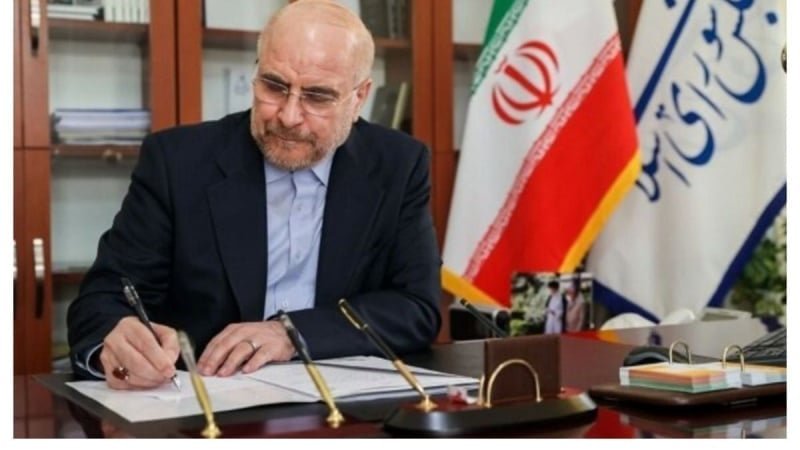
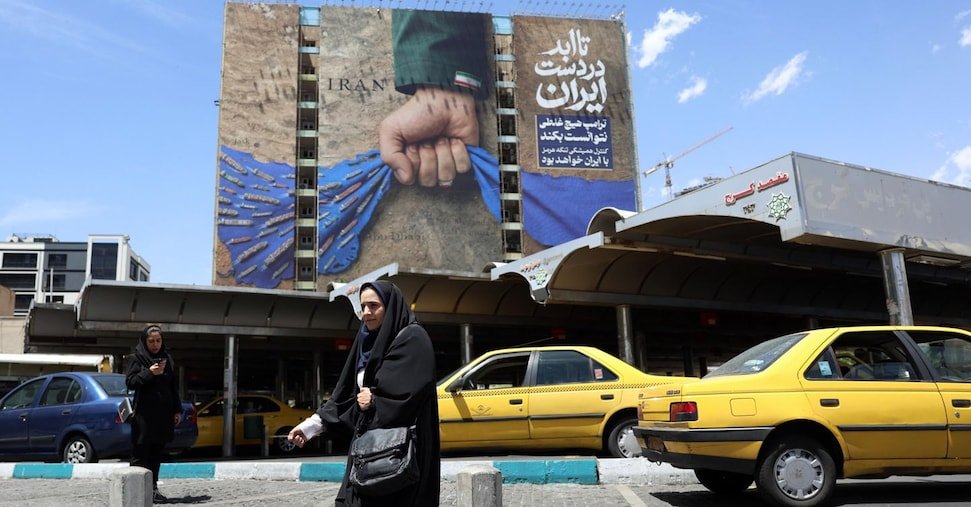
Washington, says al-Jazeera, sees calibrated military pressure as a tool to improve conditions at the negotiating table, without giving up the diplomatic route. Secretary of State Marco Rubio’s words at yesterday’s press conference indicate that Washington intends to consolidate a de facto truce from direct attacks, while keeping the ability to retaliate intact. This reinforces the hypothesis that the military breakthrough is linked to an active negotiating path, although the results are still uncertain. The public call for Iran to return to the negotiating table suggests that the US administration sees a diplomatic window open, but not yet reached the tipping point. For its part, Iran has announced the creation of a new mechanism to manage the transit of ships through the Strait of Hormuz, a sign of its willingness to impose a new obstacle on the ground in this vital passage. The Speaker of the Iranian Parliament, Mohammad Bagher Ghalibaf, said that Tehran has not yet started a full escalation, accusing the US and allies of endangering international shipping. The Iranian moves and the warnings of the Revolutionary Guards indicate that Tehran is using the Strait both as political leverage and as an instrument of military pressure, while avoiding a head-on clash. An attitude that reveals willingness to negotiate, but from a position of strength and not surrender.
Source link