It was the World Cup of excess – of stadiums unlike almost anything else in the world, 104 games, relentless scoring from the sport’s biggest stars, Donald Trump and, above all, the $15.2 billion FIFA generated across every revenue stream, all for the benefit of soccer. A large portion of that money is said to now be directed toward what experts describe as the sport’s pyramid, with national associations receiving a significant financial boost to help develop the game.
That figure is double the revenue generated by the World Cup in Qatar, which brought in around $7.6 billion. Russia 2018 generated approximately $5.5 billion, Brazil 2014 around $4.7 billion, and South Africa 2010 about $3.3 billion.
What changed? First, the tournament expanded to 104 games. Second, the vast majority of the competition took place in a country driven by entertainment, marketing and free enterprise.
Ticket prices stunned fans in Europe and South America, but in the United States few batted an eye at paying roughly $11,700 for a seat in the upper tier of the stadium for the World Cup final. Television rights grew substantially, as did commercial partnerships and sponsorship agreements.
It was a World Cup built around modernity taken to its extreme, reflecting the direction in which every major sport, including soccer, is heading.
The United States was the driving force behind the tournament, and that inevitably brought President Trump into the spotlight. There were concerns within FIFA from the outset, and two moments in particular created genuine anxiety. Ironically, the most serious one attracted the least media attention.
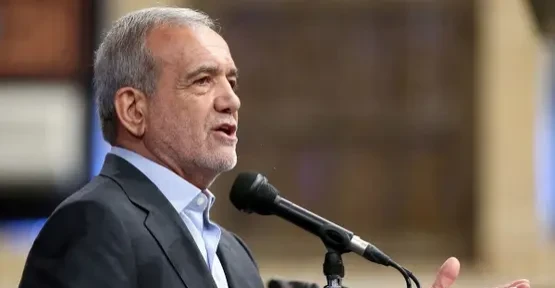
Just two days before the tournament began, Trump declared that Iran would not be allowed into the United States. At one stage, the possibility of Iran playing its games in Mexico was discussed, but the crisis was avoided at the last moment through rapid cross-border travel arrangements for the Iranian team and its delegation.
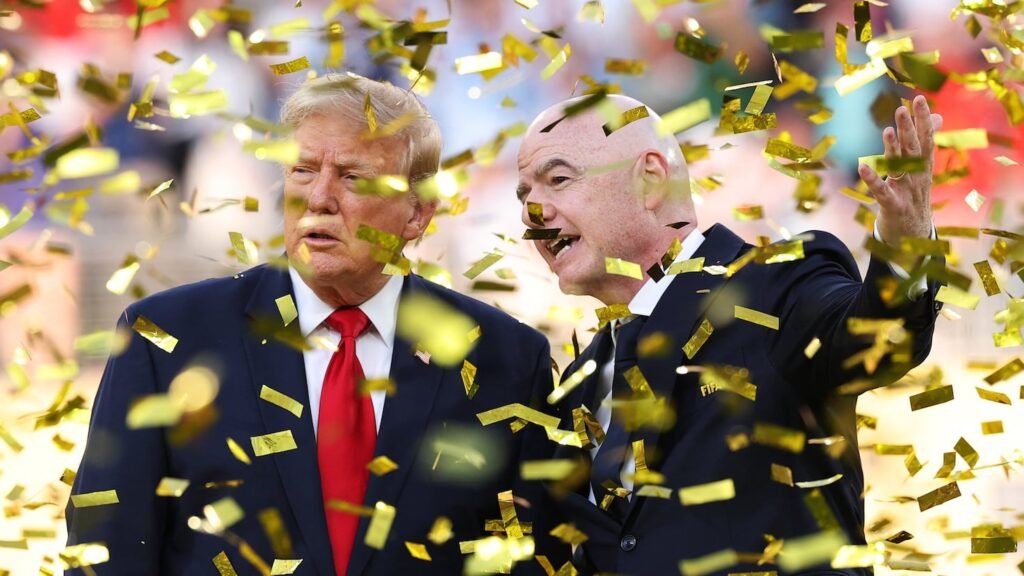
FIFA relied on diplomacy and on the close relationship between Gianni Infantino and Trump, something both men have always acknowledged rather than hidden.
If the Iran situation threatened to derail the tournament, Trump’s intervention in an attempt to reduce the suspension of a U.S. player challenged soccer’s traditional governance. Several national federations, and even UEFA itself, publicly criticized what was happening, contributing to what now appears to be an almost irreparable breakdown in the relationship between Infantino and Aleksander Čeferin.
Along the way came refereeing controversies and the unusual incident in which the ball struck the cables supporting the Spidercam system after leaving play. In many cases, those episodes became bigger media stories because of criticism directed at Infantino than because of the incidents themselves.
Soccer is a sport, but it is also a business. And from FIFA’s perspective, generating $15.2 billion in revenue is the strongest possible evidence that its new model has succeeded.
Related stories
Get closer to the game! Whether you like your soccer of the European variety or that of this side of the pond, our AS USA app has it all. Dive into live coverage, expert insights, breaking news, exclusive videos, and more. Plus, stay updated on NFL, NBA and all other big sports stories as well as the latest in current affairs and entertainment. Download now for all-access coverage, right at your fingertips – anytime, anywhere.
And there’s more: check out our TikTok and Instagram reels for bite-sized visual takes on all the biggest soccer news and insights.
Source link