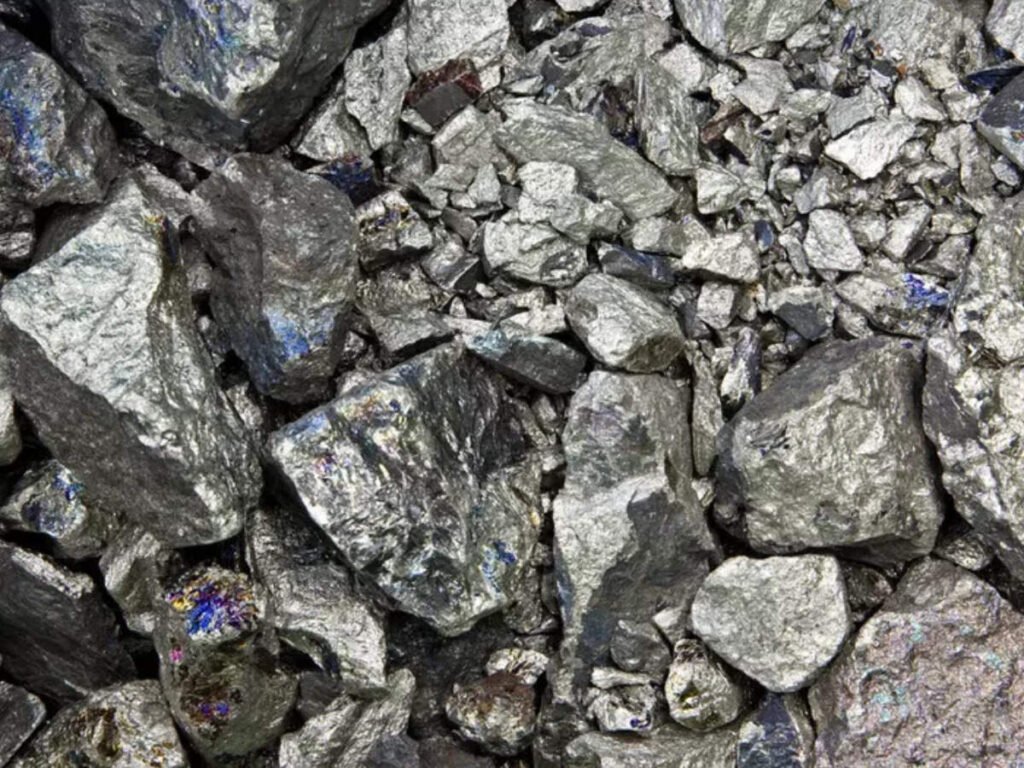
For starters, ‘rare earths’, despite their nomenclature, are actually found almost everywhere, often combined in small quantities with other metals. They had been used for years, but usually for niche applications such as military electronics. However, one of their main uses – manufacture of permanent magnets for electric motors – has seen extraordinary growth of late, with the rapid rise of electrification of transportation.
This has reached a point where many Western countries have started getting concerned – a bit late in the day perhaps – about the ultra-dominant position of China in this market, and the resulting geopolitical vulnerability for other countries, exacerbated by military uses of these rare earths.
China does, indeed, have the largest known reserves. But many other countries – like India, Russia, Brazil, the US (particularly California), Australia and, of course, Greenland – also possess significant quantities of rare earth minerals. The issue is that China is not only mining its own reserves but also those of others from which it imports for refining. As a result, it directly produces nearly 70% of the global supply of rare earths, and refines nearly 90% of the world’s total.
Extraction and refinement of these elements are expensive. They can also be polluting activities. As in other cases, like end-of-life ship recycling, countries have preferred to outsource such activities where regulations are less and labour is poorly paid. This is the Nimby effect: Not In My Backyard. This remains the situation for most countries, especially in western Europe, despite rare earth elements being precisely the key to achieving ecological transition that many of these nations wish to accelerate.
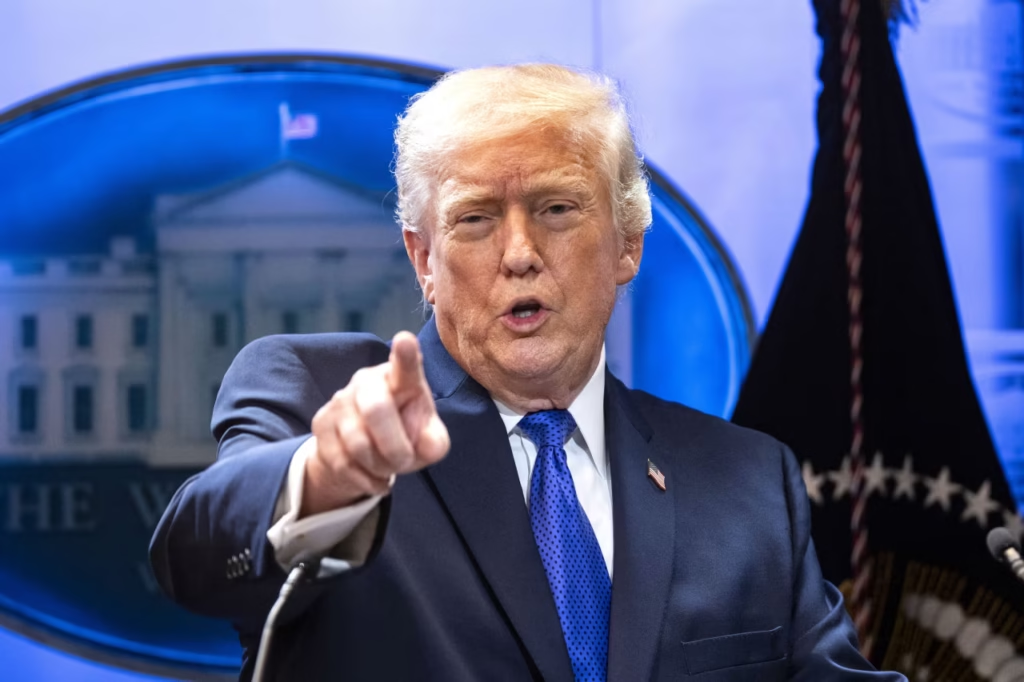
China, with great foresight, seized the opportunity, and is today reaping financial and geopolitical rewards. For the last 15-odd yrs, it has used its rare earths near-monopoly to pressure certain countries that were especially desperate for the survival of their industries. It took Donald Trump’s repeated threats to annex Greenland, an autonomous territory of Nato member Denmark, in defiance of alliance treaties as well as economic logic – in the words of Arctic Institute founder Malte Humpert, mining in an Arctic climate is ‘a logistical challenge that even the US military would struggle to meet’ – for others to pay heed to rare earths and critical minerals buried in the West.
Europe still has an opportunity to correct past apathy. Its environment-centrism led to place it at the forefront of recycling technologies and related patents. One hopes it makes best use of this advantage to claim ownership in the supply of increasingly valuable critical minerals and rare earths, lowering, if not removing, dependency on China.
Heng works at European Parliament, and De la Soudiere was with NATO Communications and Information Agency (NCIA)
Source link