Published on
February 11, 2026

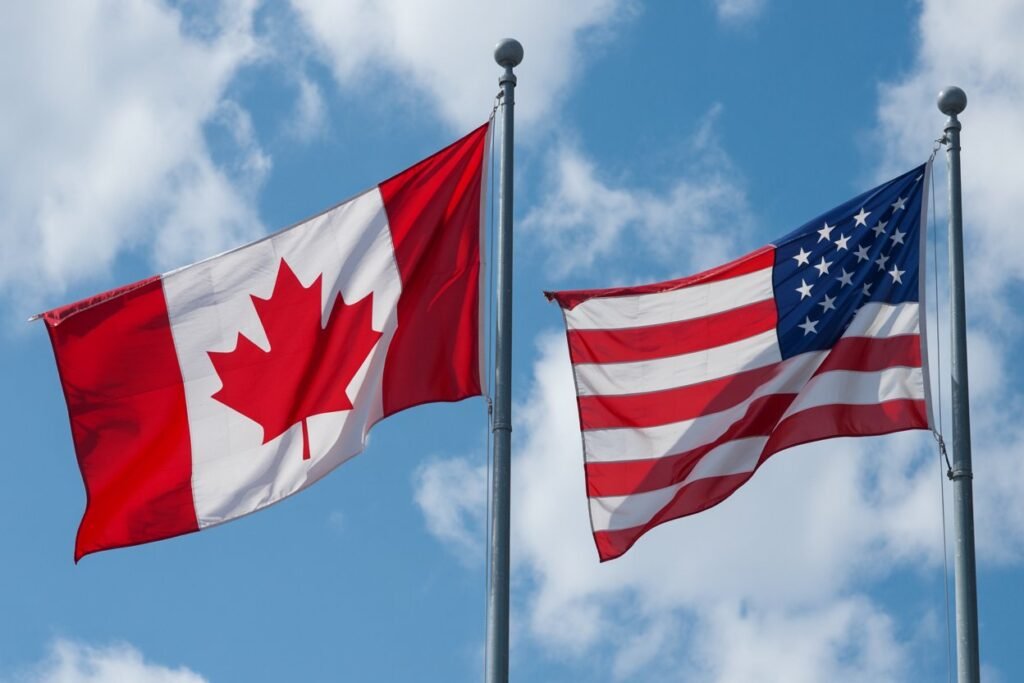
The tourism industry in the United States is facing a serious setback in 2025, as Canadian visitors, who have long been a crucial part of the US tourism market, are canceling their trips at a higher rate than ever before. This sudden decline in cross‑border tourism has shaken the U.S. economy, leading to concerns about the potential long‑term effects on local businesses and communities that depend on foreign visitors.
According to official data from the U.S. Travel Association and various travel analytics firms, the number of Canadian travelers to the U.S. has dropped significantly, with a 20% decrease in inbound visits from Canada between January and October 2025 compared to the previous year. This sharp drop in tourism, especially from Canada, is likely to result in an estimated loss of $18 billion in spending by international visitors, further straining a tourism sector that had been recovering from the pandemic.
What’s Behind the Decline in Canadian Visitors?
Several factors are contributing to the dramatic reduction in Canadian travel to the United States. Policy changes at the U.S. border and the perception of more stringent entry requirements have caused concern among potential visitors. The U.S. visa process has become increasingly complicated, with longer wait times for approvals, while border enforcement has also been tightened in recent years, leading to delays and frustration at U.S. airports.
Another factor is the economic situation in Canada and its impact on spending behavior. Many Canadians are finding that the exchange rate is not as favorable as it was in previous years, which has made U.S. travel less appealing, especially for leisure trips. Rising travel costs and inflation in both countries have made trips to the U.S. feel unaffordable for many, pushing travelers to choose closer or more affordable alternatives, such as destinations within Canada or Europe.
Political and Social Factors Driving Cancellations
Beyond the practicalities of travel and economics, there are also political and social reasons contributing to the decline in Canadian tourism. The current U.S. political climate, including controversial rhetoric surrounding immigration and border security measures, has led many Canadians to feel less welcome in the U.S. Additionally, several travel advisories have been issued by Canadian authorities, urging caution for Canadians traveling to the U.S. due to increased enforcement and discriminatory practices at U.S. airports.
For example, some Canadian travelers have cited concerns over border harassment or racial profiling, particularly in light of policy changes introduced by the current U.S. administration. The idea that Canada and the U.S. no longer share the same friendly bilateral relationship has made some Canadians wary of venturing south.
Advertisement
Advertisement
The Economic Impact on U.S. Tourism
The decline in Canadian tourism to the United States is a significant loss for the U.S. economy, especially in states that rely heavily on international tourism. Florida, California, and New York are some of the top destinations that stand to be hardest hit by this decline, as Canadians make up a large portion of the annual visitors to these states. Local businesses in hospitality, retail, and tourism-related services will feel the pinch, as millions of dollars in lost revenue from canceled bookings and reduced visits accumulates throughout 2025.
For example, Florida, which traditionally welcomes millions of Canadian visitors each year, has already reported a 15% drop in the number of Canadians making their way to popular spots like Miami, Orlando, and Tampa. This decline threatens to cause significant damage to local economies, particularly during peak tourism seasons.
Advertisement
Advertisement
Tourism Agencies Respond: Can the U.S. Reverse the Trend?
In response to this sharp decline in visitors, tourism agencies across the U.S. are working hard to boost efforts to attract Canadians back. State and local governments, in collaboration with tourism boards and the U.S. Travel Association, are rolling out marketing campaigns to restore confidence in U.S. travel, including offering discounted airfare, hotel deals, and special incentives to encourage travel. These efforts are aimed at reassuring Canadians that the U.S. is still an inviting destination despite recent political and social tensions.
In addition, the Biden administration has pledged to simplify the visa application process and improve border procedures to facilitate smoother travel. However, the effectiveness of these measures in reversing the decline remains uncertain, as many Canadians still feel the impact of recent changes in U.S. border and immigration policies.
Alternative Destinations: Why Canadians Are Looking Elsewhere
As the U.S. tourism industry grapples with the loss of Canadian visitors, many Canadian tourists are opting for alternative destinations. Mexico, the Caribbean, and European cities have seen a notable increase in interest, with Mexico in particular benefiting from its proximity and affordable options. This shift in travel patterns reflects broader global trends, as Canadians look to avoid the uncertainties of U.S. entry and instead opt for more welcoming and cost-effective destinations.
Many international destinations, especially those in Europe and the Caribbean, are capitalizing on this shift by offering competitive pricing and special deals aimed at attracting tourists who might have previously visited the U.S.
Looking Ahead: What Needs to Change for the U.S. Tourism Industry?
For the U.S. tourism industry to recover, experts agree that a focus on rebuilding trust with Canadian visitors is essential. This can be achieved through clear communication, policy adjustments, and efforts to ensure that U.S. destinations continue to be welcoming and easy to access.
As global travel patterns continue to shift, the U.S. will need to adapt to a new world of tourism competition. Whether or not Canadian tourists return to the U.S. in large numbers will depend on how well the country can address political tensions, policy shifts, and the evolving concerns of international travelers.

Source link