Published on
February 24, 2026

Image generated with Ai
France has emerged as the world’s most visited country in 2025, surpassing both Spain and the USA with a record-breaking 102 million visitors. This remarkable achievement can be attributed to its unmatched appeal, including picturesque coastal resorts, rich cultural and historic landmarks, and breathtaking natural landscapes. The country’s strategic location, coupled with its world-renowned attractions like the French Riviera and Paris, continues to draw millions of international tourists, particularly from the UK, solidifying France’s position as a global tourism leader.
In 2025, the world’s most visited country took the top spot for international tourist arrivals, surpassing both Spain and the USA. With its diverse offerings, ranging from coastal resorts to vibrant cities, ski resorts, and breathtaking lakes and mountains, the country has earned its reputation as a top tourist destination. Each year, it attracts millions of international visitors, including over nine million from the UK alone, a testament to its proximity and appeal.
France, in particular, experienced a record-breaking 102 million visitors in 2025, outpacing its tourism numbers even during the high-profile year of the Paris Olympics in 2024. This surge in tourism led to more than 743 million overnight stays across the country, with two-thirds of foreign visitors coming from neighboring European countries. The influx of tourists contributed to a significant boost in the country’s tourism revenue, which reached €77.5 billion. With ambitious plans for the future, France aims to generate €100 billion from tourism by 2030.
While France enjoys this remarkable achievement, Spain, the runner-up in the tourism rankings, is also capitalizing on its tourism sector but faces challenges in managing the impact of high visitor numbers. Spain attracted 96.8 million international visitors in 2025, with more than 19 million of those coming from the UK, making it one of the country’s largest sources of tourism. Along with French and German visitors, the UK plays a vital role in Spain’s tourism economy. Interestingly, despite receiving fewer tourists than France, Spain earned a higher total revenue from its tourism sector, amounting to €105 billion in 2025.
Advertisement
Advertisement
However, despite its tourism success, Spain is grappling with concerns from local communities about the impact of mass tourism. Certain regions, such as the Canary Islands and the Balearic Islands, have seen anti-tourism protests, reflecting growing frustrations among residents. In contrast, France, although it has experienced some localized complaints about the “Disneyfication” of areas like Montmartre in Paris, has largely avoided large-scale protests, focusing on managing tourism growth without significant disruption to local life.
France’s appeal to international tourists is partially due to its proximity to the UK. With flight times from Britain usually under two hours, it’s a popular destination for both short day trips and longer vacations. The ferry route from Dover to Calais, which takes about 90 minutes, is another convenient option for UK travelers. There are even discussions about reviving a ferry route between Rosyth (Edinburgh) and Dunkirk, which was previously discontinued in 2010.
Advertisement
Advertisement
For those looking to travel by rail, Eurostar trains provide fast connections, with trips from London to Lille taking just under 90 minutes, and journeys to Paris taking around two and a half hours. Another alternative is the Eurotunnel, which operates between Folkestone and Calais, offering a swift 35-minute journey. This is an increasingly popular choice, as it allows travelers to bring their cars, making it even easier to explore France and other parts of Europe at their own pace.
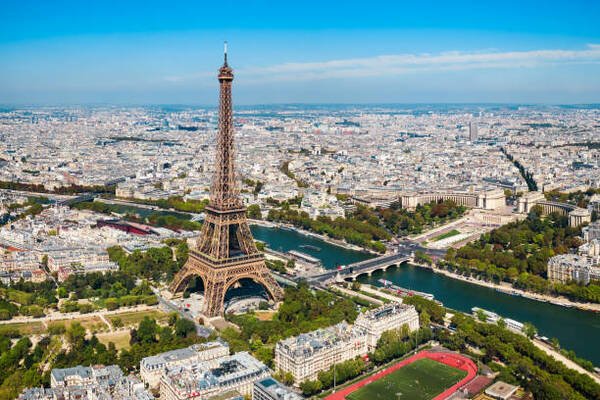
Among the many iconic destinations in France, some stand out more than others. Paris, with its world-class museums, historic landmarks, and vibrant cultural scene, remains a top destination for visitors. The historic beaches of Normandy attract those interested in World War II history, while the glamorous French Riviera offers luxurious resorts and pristine beaches. Additionally, Disneyland Paris, the most visited theme park in Europe, continues to draw millions of tourists from around the world, solidifying France’s place as a tourism giant in Europe.
Advertisement
Advertisement
Despite the rise in visitor numbers and the economic boon, France remains focused on increasing its appeal and addressing challenges. It is actively seeking ways to attract more visitors, particularly from the UK, while also balancing the needs of local communities and the environment. France’s tourism infrastructure is continuously evolving to accommodate growing numbers, and the country aims to maintain its position as a leader in global tourism for years to come.

Source link