New York, Jan 30 (EFE).- Millions of people across the United States are under threat from a new cold wave set to bring record-breaking minimum temperatures to various parts of the country, particularly across the South and the East Coast, from Friday through Monday.
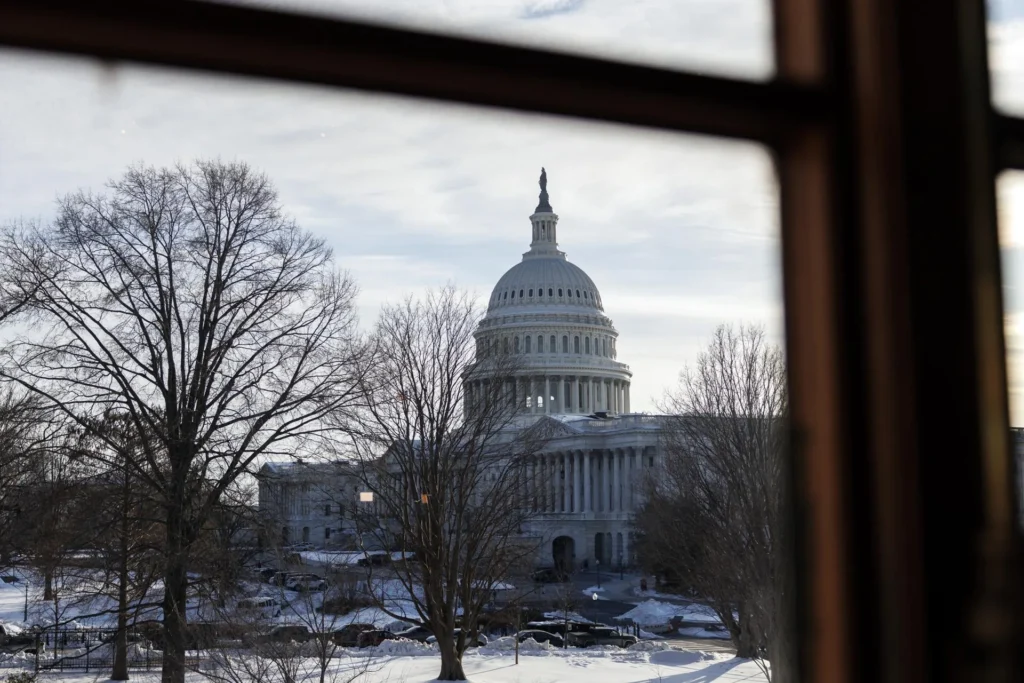
With Americans still reeling from the havoc caused by last week’s winter storm, which has left more than 220,000 homes without power, according to Poweroutage.com, a new arctic blast is looming. This wave is expected to plunge already gélid temperatures to historic low levels, as some states prepare for additional snowfall.
Even the typically warm climate of southern Florida will be affected by this polar air mass, the coldest in 15 years, as forecasted by The Weather Channel; snow could potentially reach the coastal areas of Tampa, Sarasota, and Fort Myers.
According to the National Weather Service (NWS), the storm will develop just off the coast of North Carolina between Friday night and Saturday night.
Heavy snowfall and widespread winds are expected to hit the southern Appalachians, the Carolinas, southern Virginia and northern Georgia, as well as causing coastal flooding along the Eastern Seaboard.
North Carolina and Virginia are expected to have general accumulations of 4 to 12 inches of snow, while Georgia and South Carolina anticipate between 2 and 5 inches.
The NWS explained that an arctic air mass, currently anchored over eastern Canada, is moving southward. This movement will impact two-thirds of the eastern US, triggering a sharp drop in temperatures.
“As the frigid air moves in, it will interact with the warmer Gulf Stream, resulting in the formation of a coastal low in the Southeast,” the NWS warned about the US territory, adding that the storm will strengthen as it expands in size.
More than 200 daily cold records could be broken or tied through Monday, as temperatures are expected to drop more than 30 °F (-1,1°C) below normal in some areas, particularly in the South and East, according to CNN.
Furthermore, strong winds could lead to more fallen trees and power outages at a time when many residents have yet to recover electricity, while also increasing the risk of hypothermia.
New York City will not be affected by new snowfall as cleanup efforts continue, though it will face high winds. EFE
rh/asg/dmv
Source link