The measles outbreak in South Carolina is now the largest in the U.S. since the disease was declared eliminated in the country in 2000.
The South Carolina Department of Health this week reported nearly 90 new cases, bringing the state’s total to 789 since September. It’s the tip of the spear for a sharp increase in cases nationwide: The U.S. reported more than 2,000 measles cases in 2025, after averaging just 180 cases annually from 2000 to 2024.
“It’s disconcerting to consider what our final trajectory will look like for measles in South Carolina,” state epidemiologist Linda Bell said during a media briefing on Wednesday.
Recognizing Measles
Symptoms typically start one to two weeks after exposure and can include:
- High fever
- Cough
- Runny nose
- Red eyes
- Distinctive rash
While most people recover from measles without issue, young children and people with weakened immune systems are particularly vulnerable to severe complications like hospitalization, pneumonia, brain swelling and death.
Recent outbreaks could reverse America’s measles elimination status, underscoring a growing distrust of vaccines and an accompanying vulnerability that can be deadly for children and other at-risk populations. An outbreak in West Texas last year yielded 762 cases, a record until South Carolina passed it this week.
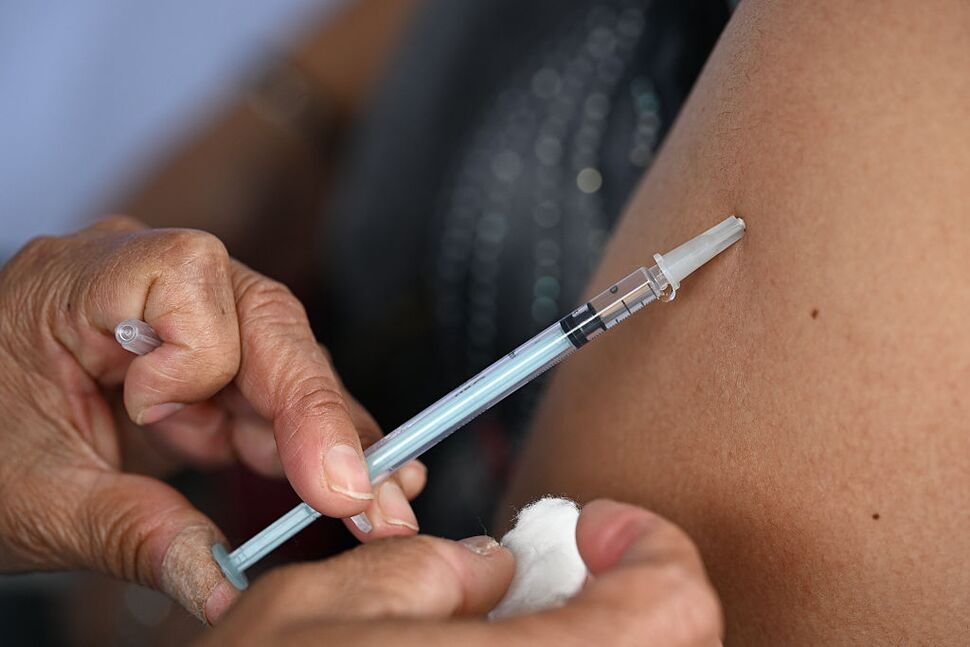
Measles is a highly contagious virus. According to the Centers for Disease Control and Prevention, if one person has measles, up to nine out of 10 people nearby will become infected if they are not protected. The best prevention for measles is the measles, mumps and rubella (MMR) vaccine, which is considered highly effective and long-lasting.
U.S. News spoke to Dr. Melissa Nolan, an epidemiology and biostatistics associate professor at the University of South Carolina’s Arnold School of Public Health, to dig into the outbreak in South Carolina and its repercussions for the country as a whole. The interview has been edited for length and clarity.
The South Carolina outbreak has been linked to cases in other states, including as far away as Washington state. What should Americans know about the ability of measles to spread across the country?
“What we’re seeing with the measles epidemic is the same with what we see for all respiratory infections, including COVID-19 and flu. Anytime you have the holidays, it really throws a wrench into respiratory disease outbreaks. Unfortunately, that’s what we saw in South Carolina – it happened to fall over the holiday season, and that travel really exacerbated people coming in contact with each other.”
Most of the measles cases in South Carolina have been reported in unvaccinated children. What does that tell you about the outbreak?
“Our state infectious disease physicians group met last June when we all were updated on measles because we were afraid that it was going to happen, particularly in Spartanburg. It’s no surprise to any of us that that’s the county with the largest number of unvaccinated children.
“What I do think is surprising to us is that it happened in South Carolina versus some of the other states. … There’s other states where you can start kindergarten unvaccinated for either religious reasons or just general personal belief. Those are really the states that we thought we would have these larger outbreaks in because there’s a wider range of exemption policies. So it was somewhat of a surprise in the South to see such a large outbreak because we only have that narrow exemption category.”
(South Carolina allows vaccination exemptions for medical and religious reasons. No personal exemptions are permitted. The state’s non-medical vaccination exemption rate of 4.5% is slightly higher than the national median of 4%.)
Does that speak to how contagious measles is, and how it will find these pockets of unvaccinated people if given the chance?
“Measles is arguably the most infectious respiratory disease or pathogen. Unlike when we think about flu or COVID-19, for example, we don’t see the viral particles just kind of hanging out in the air. They’re attached to – when you sneeze or cough – those kinds of water droplets. And that’s heavy, so it falls to the surface. … Well, measles is not that way. Measles is the only one that can really hang out in the air. You have these invisible kinds of clouds of dust, if you will, of these measles particles that can hang out for two hours or more.”
How has the response to the outbreak been on the local, state and federal level?
“Public health officials are lagging behind. Our media and the way that we communicate the work that we do has changed so drastically in the last 10 years – really with the advent of social media. There’s a large amount of misinformation that’s out there on social media, and, generally speaking, public health officials are not keeping up. We need to do a better job.”
Given the way the measles outbreak has played out over the last year, will the U.S. lose its measles elimination status?
“We’re certainly on track to lose that status, and then, sadly, I think we’re going to lose some other really key ones as well. Hepatitis B is another one that we’re worried about. Pertussis (whooping cough) is a huge one that we worry about with children. … Losing the elimination status not just of measles, but of the others that might come as a consequence of changing vaccine behaviors, it’s really important for the state of our children and what’s going to happen in the future.”

Sign Up for U.S. News Healthcare of Tomorrow Bulletin
Your trusted source for critical insights and solutions-focused analysis.
By clicking “Sign Up”, you will receive the latest updates, including emails, from U.S. News & World Report and our trusted partners and sponsors, and you agree to our Terms and Conditions & Privacy Policy.
Source link