The Iran war is driving a major rift in US-EU relations, as NATO allies reject Washington’s unilateral approach and push for European strategic autonomy.
Heading for breaking point
By: Hamdan Khan
For more than a century, the transatlantic relationship has steered the trajectory of global politics. From shaping the outcomes of the two World Wars to acting as the cornerstone of the US-led bounded order during the Cold War, and subsequently forming the substratum of the US-led Liberal International Order, the transatlantic unity has been pivotal in shaping the Western role in the international system. Although occasional disagreements and rifts have cropped up— such as the divergences over the Suez Crisis, the Vietnam War, and the Iraq War— the structural underpinnings of the relationship largely held firm until Trump’s first term in the Oval Office.
Driven by the MAGA agenda, the first Trump Administration adopted an openly confrontational approach towards the European allies, criticizing NATO members as “delinquent” for not spending enough on defence, and accusing the EU of hurting the USA on trade. Trump questioned the relevance of NATO and repeatedly threatened to withdraw from the alliance. Trump 1.0’s disdain for the allies jolted the bedrock of transatlantic unity, prompting major European nations— such as Germany and France— to advocate for European strategic autonomy.
Unsurprisingly, Trump 2.0 doubled down on his antagonistic posture towards the transatlantic allies. Trump rattled NATO members by threatening that he would “encourage” Russia to “do whatever the hell they want” if they did not increase their defense spending and accused the EU of “ripping off” the USA, besides threatening heavy tariffs on the bloc. Trump’s recurrent outbursts on the EU and NATO and his now seemingly aborted bid to forcibly annex Greenland crystallized the belief in Europe that the USA has embarked on an adversarial course. If Trump 1.0 jolted the substratum of the transatlantic alliance by challenging its raison d’être, Trump 2.0 opened deep fissures; that became prominent during the Iran war, pushing transatlantic unity towards breaking point.
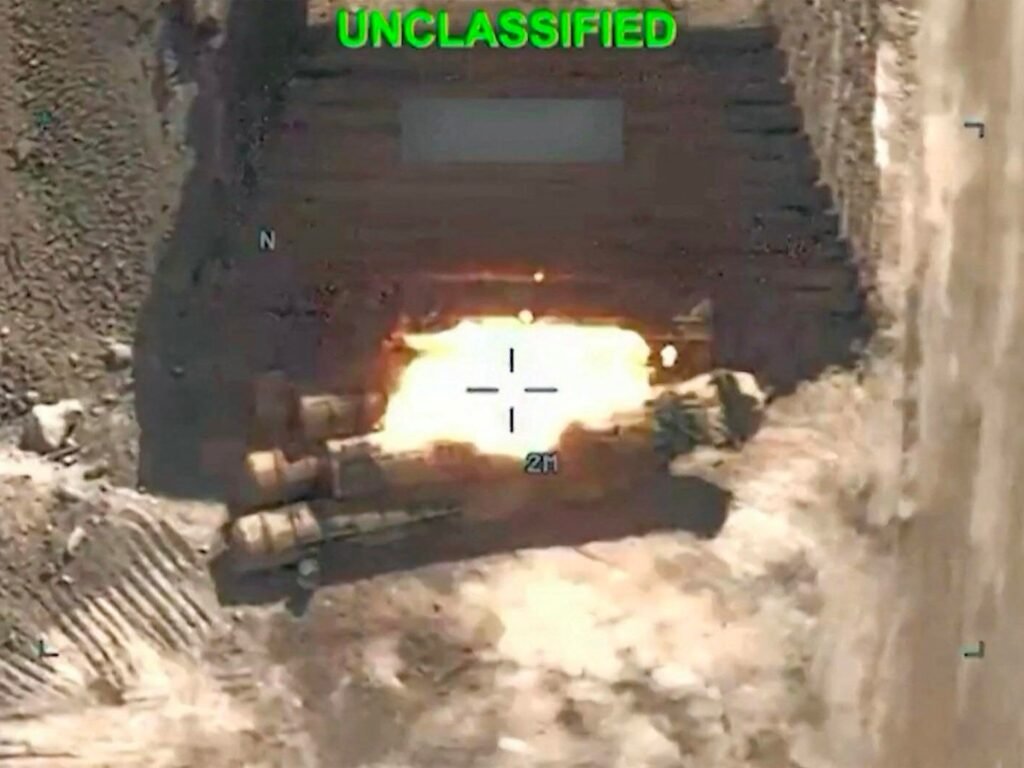
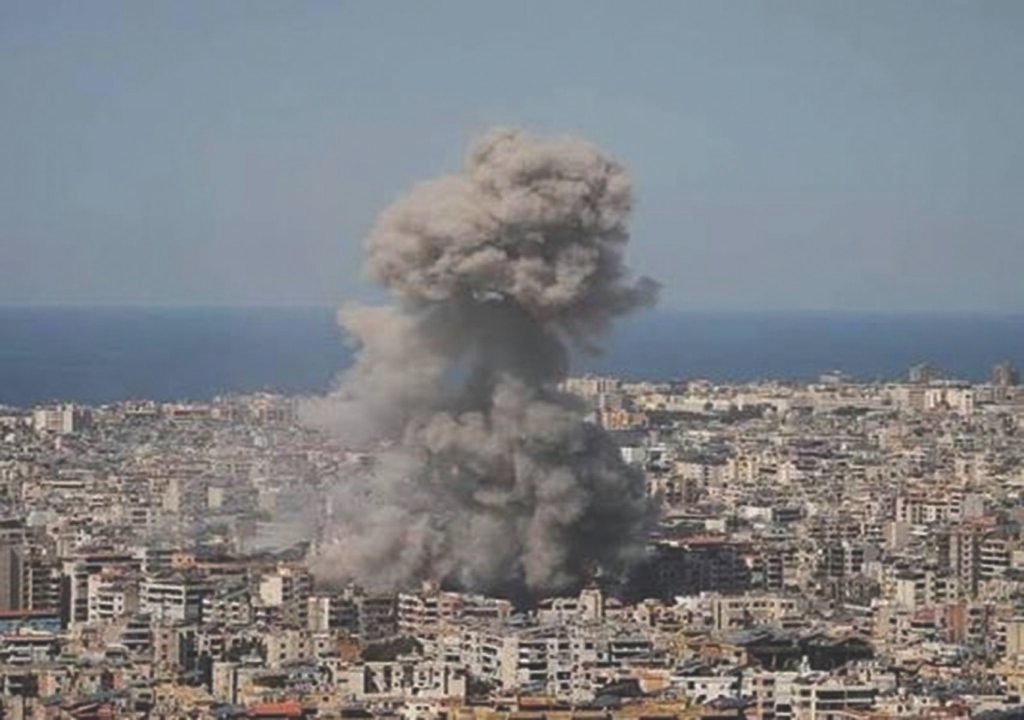
Trump’s penchant for unilateralism meant that the USA and Israel launched the Iran war without any consultation or even notification to the NATO allies. Although the USA— being the dominant power in the transatlantic alliance— long exercised an overwhelming influence over the alliance’s trajectory, it often sought consultations among its allies to secure military support— symbolic it may be— and to build political legitimacy. The unilateral military action against Iran contravened one of the main pillars of the transatlantic alliance: consultative decision-making. The message for Europe could not be more explicit: the USA no longer views NATO allies as worthy of consultations, but as subordinate actors who should follow its lead.
Nevertheless, what would have been unthinkable a few years ago, Europe declined to follow Washington’s lead. The UK, France, and Germany distanced themselves from the operations against Iran, and the UK initially refused to allow its bases for military operations against Iran. Though the UK later changed its position regarding the bases, it provided only limited access for conducting specific “defensive” operations. Unsurprisingly, London’s position did not go well with Trump, who kept urging for more active participation— only to elicit reiteration from PM Starmer that “it is not our war.”
The flagbearer of European strategic autonomy, French President Macron, also adopted a defiant tone by averring that the war against Iran fell “outside” the realm of international law and that Paris “cannot approve” it. Macron criticized Trump for weakening NATO and rejected participation in the war by stating that “this is not our operation.” Next door, Germany also refused to participate in military operations, with German Chancellor Friedrich Merz labelling the war as “totally unnecessary” and criticizing the USA and Israel for lacking a swift exit plan. While rejecting Trump’s demand for military deployments in the Persian Gulf, Merz specified that “NATO is a defensive alliance, not an interventionist one.”
Italy’s PM from Giorgia Meloni— who was believed to be among Trump’s few allies in the EU— also declined to join the military operations. Rome also refused to allow US military aircraft to use its military base in Sicily over “procedural” considerations. Trump’s criticism of Pope Leo XIV proved to be the last straw, which Meloni termed as “unacceptable.” Spanish PM Pedro Sánchez arguably adopted the most vociferous position against the Iran war, terming it “illegal” and without any basis. Spain refused the use of its military bases and closed its airspace for the US military aircraft.
Trump 1.0 was a wake-up call for Europe, but some nations erroneously identified it as an aberration. Nevertheless, Trump 2.0 has demonstrated that MAGA is not an aberration but a constant phenomenon in US politics. While the upcoming Democratic administrations may try to repair the transatlantic relationship, the next crop of MAGA leaders would likely follow Trump’s footsteps. Ergo, Europe must brace for unremitting ebb and flow in the relationship, which would be anything but a reliable, dependable, and predictable alliance that characterized the transatlantic unity since WWII.
Unsurprisingly, Trump reacted harshly to the Europeans not following the US lead. Trump called NATO a “paper tiger” and doubled down on his threats to withdraw from the alliance. He advised Europeans that “you will have to start learning how to fight for yourself, the USA won’t be there to help you anymore.” Fanning uncertainty about the US commitment to NATO, Trump stated, “Why would we be there for them if they are not there for us?” After a meeting with NATO’s Secretary General, Trump complained that “NATO wasn’t there” when the US “needed them”, adding that “they won’t be there if we need them again.” Following criticism by the German Chancellor, Trump announced to withdraw 5,000 troops from Germany and threatened further cuts, heightening concerns on both sides of the Atlantic.
To top it all off, a media report citing an internal Pentagon correspondence claimed that the Trump Administration might be considering punishing NATO members for refusing the US access, basing, and overflight (ABO) rights. The proposed measures include suspending Spain’s membership of the alliance and reconsidering the US stance on British sovereignty over the Falkland Islands. Although no provision stipulates suspension of a country’s NATO membership, the reported correspondence underscores the scale of antagonism between the transatlantic allies.
Although Trump would need the two-thirds Senate’s consent or an act of Congress to formally withdraw from NATO, the events surrounding the Iran war have deepened the transatlantic mistrust to an unprecedented degree, opening up wide fissures in the Western unity. Given the institutionalized nature of the transatlantic alliance, it may not immediately collapse, but the ever-growing estrangement suggests that the relationship has been damaged beyond repair: the transatlantic unity is heading towards the breaking point.
Trump 1.0 was a wake-up call for Europe, but some nations erroneously identified it as an aberration. Nevertheless, Trump 2.0 has demonstrated that MAGA is not an aberration but a constant phenomenon in US politics. While the upcoming Democratic administrations may try to repair the transatlantic relationship, the next crop of MAGA leaders would likely follow Trump’s footsteps. Ergo, Europe must brace for unremitting ebb and flow in the relationship, which would be anything but a reliable, dependable, and predictable alliance that characterized the transatlantic unity since WWII.
The writer is a freelance columnist.
Source link