The Trump administration suspended dollar shipments to Iraq and froze security cooperation programmes with its armed forces, increasing pressure on Baghdad to dismantle powerful Iranian-backed militias, Iraqi and US officials said.
A cargo plane carrying nearly $500 million in US banknotes, the proceeds of Iraqi oil sales from the accounts of the Federal Reserve Bank of New York, was recently blocked by Treasury Department officials because of US concerns about militias, officials said.
It was the second scheduled sending of dollars to the Iraqi Central Bank delayed by the US since the start of the Iran war in late February, US and Iraqi officials said. The delay came after weeks of militia attacks on US facilities in Iraq and neighbouring countries in a show of support for Tehran.
The US informed Baghdad that it would suspend funding for some armed forces and counter-terrorism training programmes until militia attacks cease and Iraqi officials take steps to dismantle the armed groups, US and Iraqi officials said.
The moves highlight the pressure on Baghdad to align itself more closely with Washington and reduce its close ties with Tehran since the beginning of the almost eight-week-long war against Iran led by the US and Israel.
In a statement on Tuesday that did not allude to the suspended deliveries, the Central Bank of Iraq said it was not short of US currency. The bank has “fulfilled all requests for dollars from banks and exchange companies”.
After the 2003 invasion, Washington agreed to keep Iraq’s earnings from oil sales – tens of billions a year – with the New York Fed. To circulate the proceeds to Iraq, the Fed began sending up to $13 billion a year in cash to Baghdad to run its heavily cash-based economy.
The US briefly halted cash deliveries in 2015 for fear that dollars were being funneled to Islamic State militants and has threatened to suspend shipments in the past. Although Baghdad has reduced its reliance on dollars, cargo planes continue to deliver pallets of US currency to Iraq’s central bank, giving the US an opportunity to try to force Baghdad to deal with militias.
US officials say the suspension of dollar shipments to Iraq is temporary, but have not said what specific steps Baghdad needs to take to resume deliveries.
“The failure of the Iraqi government to prevent these attacks, while certain elements associated with the Iraqi government continue to actively provide political, financial, and operational cover for militias, has a negative impact on US-Iraq relations,” said State Department spokesman Tommy Pigott. “The United States will not tolerate attacks on US interests and expects the Iraqi government to immediately take all steps to dismantle Iran-aligned militia groups in Iraq.”
Since the war began, Iraqi militias have attempted hundreds of small-scale drone and rocket attacks, including against a US military base and consulate in northern Iraq and a State Department facility at Baghdad International Airport. US officials blamed pro-Iranian groups in Iraq for an attempted drone ambush against a US security convoy transporting a US hostage freed outside the country earlier this month.
Since the beginning of the war against Iran, the US has conducted air strikes against militia groups in Iraq.
In recent years, the Pentagon has substantially reduced its military presence in Iraq, moving most of its remaining forces to bases in northern Iraq. But the US has continued to provide intelligence on the Islamic State to the Iraqi army and to assist the Iraqi armed forces with training and equipment.
Iraq’s most powerful militias, including the Badr Brigade, Kataib Hezbollah and Asaib Ahl al-Haq, have enormous influence within the Iraqi government and financial sectors. Baghdad is choosing a new prime minister and the militias, as well as Tehran, are pressing for candidates who maintain close ties with Iran. Some militia units have been formally incorporated into the Iraqi armed forces, making it difficult for any prime minister to challenge them.
Mohammed Shia al-Sudani, who has served as prime minister since 2022, has sought Washington’s support for a second term, but has also been careful not to attack the power of the militias.
The militias are also beneficiaries of Iraq’s access to US dollars. More than two dozen Iraqi banks, many with close ties to the militias, were banned in 2023 and 2024 by the Treasury for embezzling dollars from Iraqi accounts at the Iraqi Fed using fraudulent wire transfers.
The militias were then involved in the purchase of huge amounts of MasterCard and Visa cards loaded with funds in Iraq. They organised to transport the cards to the United Arab Emirates and other neighbouring countries and collect the money in the form of dollars. The armed groups then transferred the money to Iraq, exchanging it for dinars and profiting from currency arbitrage, the Treasury said.
Iraqi Shia militias emerged from the chaos following the US invasion more than two decades ago. They defended Shia areas from attacks by Sunni militants and fought US forces that their leaders denounced as occupiers. Iran supplied weapons to many of these groups, which later assumed a role in the fight against Islamic State fighters who invaded Iraq from Syria in 2014.
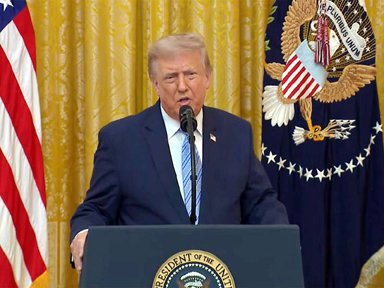
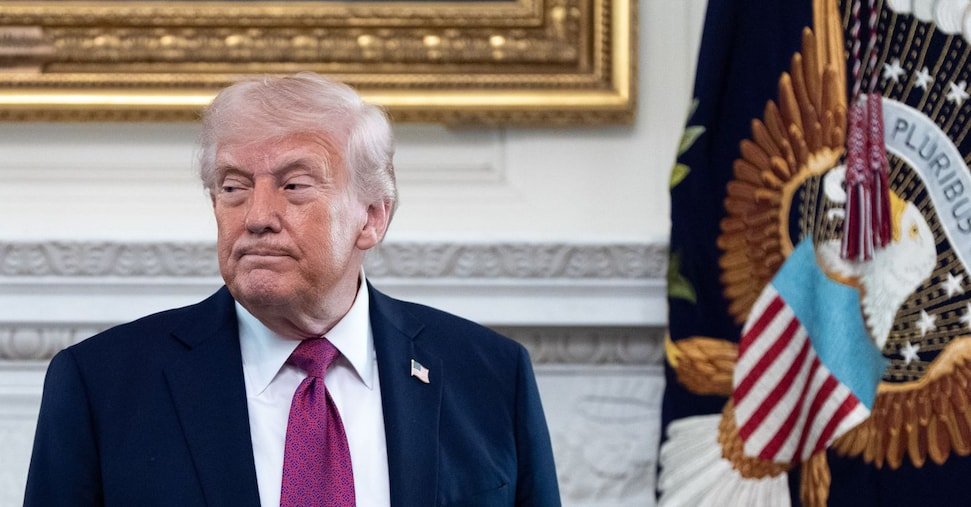
In January, President Trump warned that he would cut US assistance to Iraq if Nouri Al-Maliki, a former prime minister with close ties to Iran, returned to office. Maliki recently withdrew his candidacy and his coalition, a group of Shia parties with varying degrees of loyalty to Iran called the Coordination Framework, proposed another candidate, Bassem al-Badri, a senior member of Maliki’s Dawa party.
Source link